
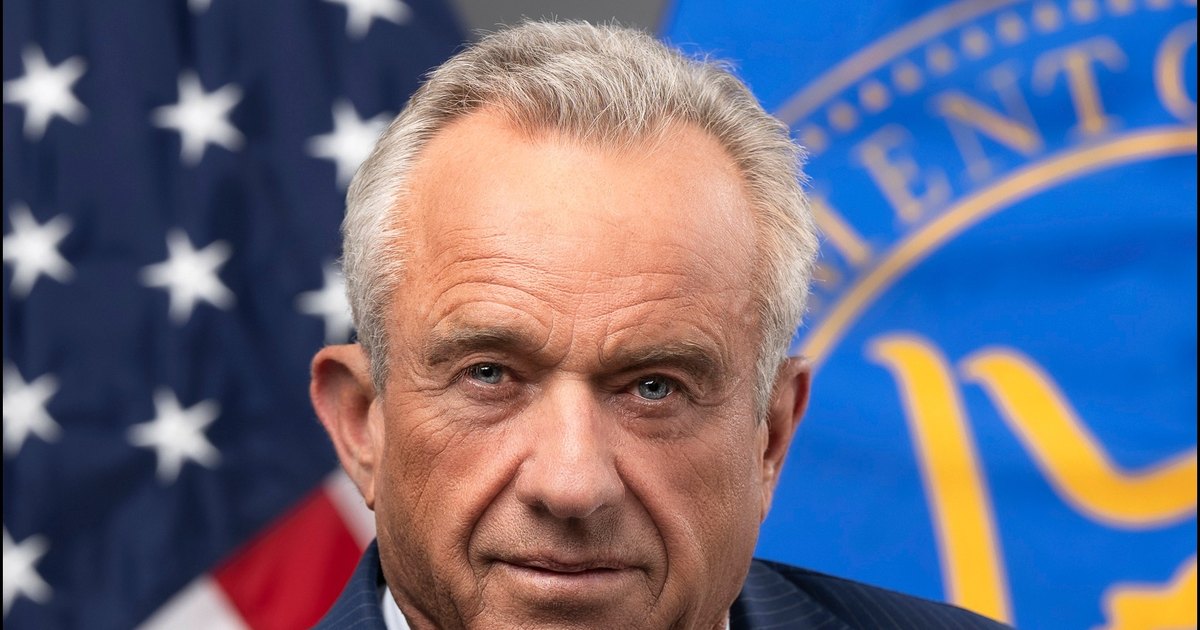
The United States has officially lost its measles-elimination status, a designation first declared in 2000. The Pan American Health Organization announced on November 17 that endemic measles transmission has been re-established in the United States, Mexico and Bolivia, and that all three have lost elimination status.
The numbers behind the decision are large: the latest CDC data show 5,412 measles infections in the United States in 2026, and 48 outbreaks have been identified. The loss also lands on the desk of Health and Human Services Secretary Robert F. Kennedy Jr., who said the government will work to regain the status.
How the Call Was Made
According to the PAHO press release, the finding came from the organization's Measles, Rubella and Congenital Rubella Syndrome Elimination Regional Monitoring and Re-Verification Commission, which met from November 10 to 13. PAHO Director Dr. Jarbas Barbosa accepted the commission's recommendations. Under the criterion PAHO describes, a country loses elimination status when the same measles strain circulates without interruption for 12 months or more.
Barbosa framed the moment as more than paperwork. "Losing measles elimination status is much more than losing a public health designation," he said in the release. He also called it "a serious warning for our Region, but it is not an irreversible setback."
The numbers across the hemisphere explain the alarm. PAHO counted 58,213 confirmed measles cases and 82 deaths in the Americas as of November 13, compared with 12,806 cases in the same period last year. Those deaths are a regional figure, not an American one. The region as a whole regained elimination status in 2024 after Venezuela and Brazil, then lost it in November 2025 after Canada. PAHO says Canada has since interrupted its chain of transmission and is working to regain its status.
The Picture at Home
The domestic figures are sobering in their own right. ABC News reported that the latest Centers for Disease Control and Prevention data show 5,412 measles infections in the United States so far in 2026, with state health departments reporting 10 deaths. Officials have identified 48 outbreaks this year, and New York State issued a state of emergency.
The CDC says it has invested $100 million in state and local health departments. CDC Director Dr. Erica Schwartz tried to steer attention away from the label itself. "The measles elimination designation is not what protects Americans. Vaccination does," she said in a statement quoted by ABC.
Kennedy Promises a Comeback
Kennedy responded Tuesday afternoon in a post on X, writing: "We will stop measles outbreaks, protect American families, and work to regain U.S. measles elimination status." According to ABC, HHS said it will continue working to stop transmission.
None of the sources reviewed for this story includes a timeline or a specific plan for regaining the designation.
A Region-Wide Problem
PAHO's release treats the setback as hemispheric, not merely American. It urges all countries in the Americas to intensify their efforts to stop outbreaks, and it says restoring elimination is now harder.
What comes next is not yet clear. No date for a new review of the United States has turned up in the sources reviewed, and the status was first declared more than 25 years ago. Kennedy has promised to work to regain it, and the next step will be whether HHS and the CDC spell out how.



 This Countertop Filter Reduces 206 Contaminants Found in Drinking Water
 The Fire Starter That Lights on Snow, Damp Ground, Even Standing Water
 This Tactical Flashlight Also Breaks Car Glass and Cuts Seatbelts
 Stuck on the Road This Winter? This Car Kit Packs Food, Water and 47 Emergency Items
 No Gas, No Fumes: Solar Generators That Keep the Lights On in an Outage
 Emergency Food That Stores Up to 25 Years: Ready Hour Kits From 3 Days to 6 Months
0 Comments
Be the first to comment.