Social Security

Your check, your Medicare and the benefits you paid for: the numbers and what to do.

Social Security

If your Social Security check is under $1,014 a month, you may be owed a second check on the 1st

Supplemental Security Income, SSI, is a separate federal payment for people 65 and older with very little income and savings, and you can get it on top of Social Security. In 2026 the maximum is $994 a month, and Social Security ignores the first $20 of your check, so anyone whose only income is a Social Security benefit under about $1,014 may be owed something, plus a state supplement in many states. The savings limit is strict, $2,000, but your home and one car do not count. And in most states


·5 min read
Social Security

Three Medicare Savings Programs can pay your $202.90 Part B premium, and one of them pays your copays too

If your monthly income is under about $1,816 single or $2,455 for a couple, a Medicare Savings Program run by your state may pay your $202.90 Part B premium, worth more than $2,400 a year, and the lowest tier also pays Medicare's deductibles and copays. Joining one also enrolls you in Extra Help, which caps covered prescriptions at $12.65 each. About a dozen states and D.C. no longer count your savings at all, and several set higher income limits than the federal ones. Here are the 2026 numbers,

·4 min read
Social Security

This winter's heating bill depends on one thing, the fuel in your basement

The energy shock since February has not hit every furnace the same way. The Energy Information Administration's September forecast puts heating oil about 35% above last winter, while natural gas and propane prices are flat to slightly lower and electricity keeps creeping up. The National Energy Assistance Directors Association expects the average heating bill to rise 8.7% to $1,030. Here is what that means for your home by fuel, and four ways to cut the bill: heating assistance (LIHEAP), free we

·4 min read
Social Security

More than half of older Americans in a new survey live on $2,000 a month or less

The Senior Citizens League's 2026 survey found 44% of respondents over 62 living on $1,001 to $2,000 a month and another 10% on less than $1,000, and estimates that benefits lost 13.7% of their buying power between 2016 and 2026. Part of the reason is the index: the COLA follows prices paid by urban wage earners, not by people over 62, whose money goes to rent and health care. Here is what the survey found, what the proposed fixes would cost, and four programs, paid for by the same taxes you wor

·4 min read
Social Security

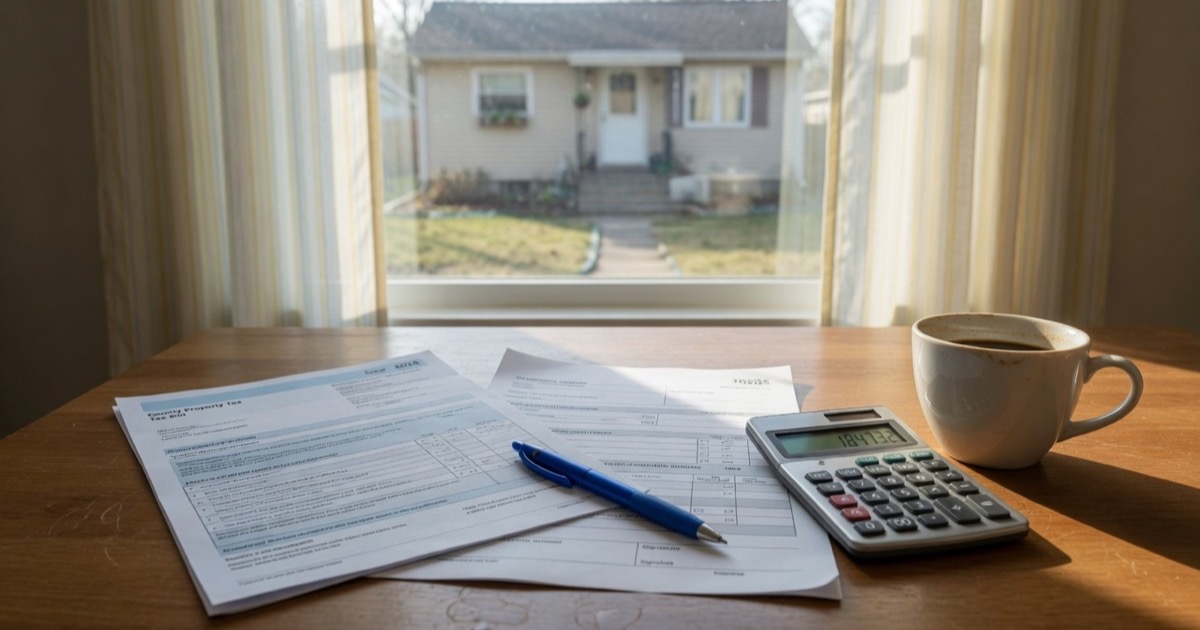
There are 167 property tax relief programs in this country and most eligible homeowners over 65 never claim one

Your property tax is the one big bill in retirement that rises whether or not your income does, and nearly every state has a program to hold it down for homeowners over 65. The Lincoln Institute of Land Policy counts 167 of them. They come in four shapes — an exemption off the assessed value, a credit that comes back as money, a freeze that locks the bill at the year you qualified, and a deferral that postpones it until the house is sold — and almost all of them require you to apply once, which

·8 min read