
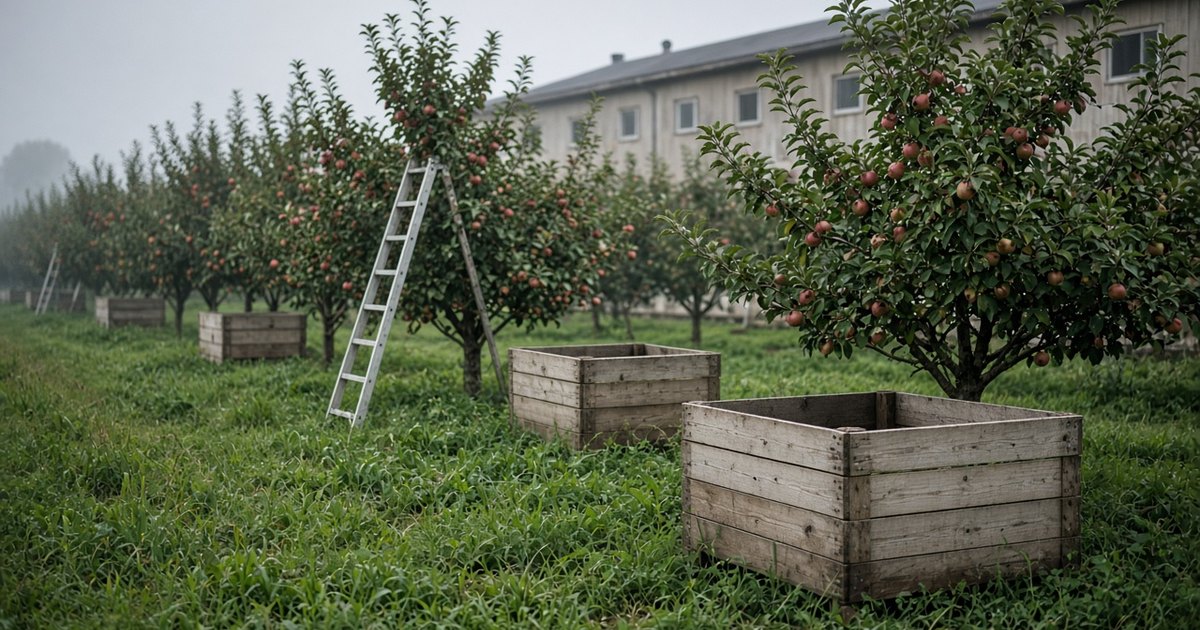
A farm company fighting a $550,000 Labor Department fine drew tough questions from the Supreme Court bench. During oral argument on November 10 in Department of Labor v. Sun Valley Orchards, justices across the ideological spectrum pressed the company's lawyer on a simple question with large consequences: can a federal agency impose civil penalties under the H-2A temporary farm-worker program without going through a court?
The case matters beyond one orchard. The H-2A program covers temporary foreign farm workers, and its rules are meant to protect American workers from cheaper foreign labor, according to the Daily Caller News Foundation's description.
The Daily Caller News Foundation reported that Justices Elena Kagan, Brett Kavanaugh, Amy Coney Barrett and Sonia Sotomayor questioned the company's lawyer, Rob Johnson, and that Labor Department lawyers also rebutted his arguments.
A $550,000 Fine That Started With an Inspection
The dispute goes back to 2015. According to the DCNF account, a Labor Department inspection found that living conditions provided to workers at the farm violated H-2A rules, and the department fined Sun Valley $550,000. No inspection report was cited in that coverage, so the specifics of the violations rest on the outlet's description.
Sun Valley later appeals, in DCNF's telling, though the report gives no date. Its position is that civil penalties of this kind are contract matters, and contract matters belong in Article III courts rather than before an agency.
Is This an Immigration Case or Not
The Labor Department's key precedent is Oceanic Steam Navigation Co. v. Stranahan. Johnson tried to distinguish it. Oceanic, he argued, was an admissions case about boats bringing diseased migrants into the country, while the workers here were already in the United States.
Whether this is an immigration case was contested within the argument itself, with Johnson on one side and Kagan and Kavanaugh on the other. Kagan said:
"But it is an immigration program."
She also said:
"Well, this is also an admissions case."
A Concession From Johnson
In an exchange with Kavanaugh, Johnson conceded that immigration is an exception to the Article III rule. Barrett also pressed him, saying, "Can you say 'yes' or 'no' to him," according to DCNF. Johnson answered:
"Yes, but I don't think the Court should go that far in this case."
DCNF and BizPac Review, in a search listing, both described Johnson as facing criticism from liberal and conservative justices alike.
A note on the record: the quotes above come from the Daily Caller News Foundation's report and have not been checked against the official Supreme Court transcript, which we were not able to obtain. The DCNF headline framed the hearing as justices bashing a lawyer defending a company undercutting American jobs with cheap migrant labor. That is the outlet's characterization. The reporting does not establish that Sun Valley's workers displaced any Americans, and tough questioning from the bench is not a ruling.
What Happens Next
According to the sources reviewed, the Court has not ruled in the case. Readers can check the Court's docket for any decision.


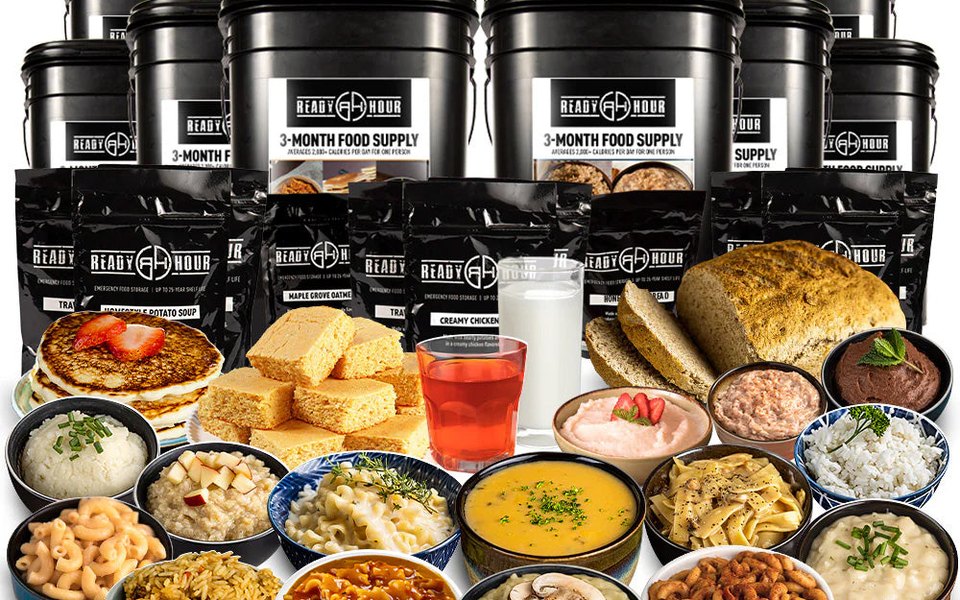 A 6-Month Emergency Food Supply: 2,000+ Calories a Day for One Person
 This Tactical Flashlight Also Breaks Car Glass and Cuts Seatbelts
 Emergency Food That Stores Up to 25 Years: Ready Hour Kits From 3 Days to 6 Months
 Winter Brings More Than Snow and Ice: Get Ready for Power Outages and Closed Roads
 Ready Hour 4-Week Food Supply: 2,000+ Calories a Day, Stores Up to 25 Years
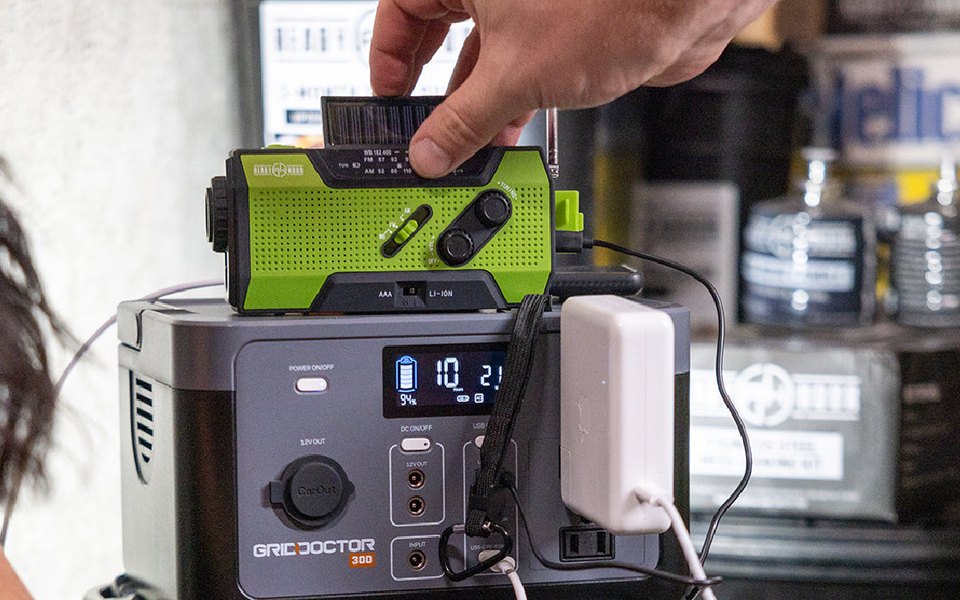 A Portable Solar Generator That Runs a CPAP for 8+ Hours When the Power Goes Out
0 Comments
Be the first to comment.