
President Trump's $15 billion defamation suit against The New York Times and Penguin Random House will move forward in part, after a federal judge in Tampa ruled Thursday that some of the president's claims over a 2024 book about his family finances can proceed.
U.S. District Judge Steven Merryday, an appointee of President George H.W. Bush, allowed claims tied to statements in "Lucky Loser," written by Times reporters Russ Buettner and Susanne Craig, while dismissing other claims, including those tied to two Times articles, the Washington Examiner reported. According to the Examiner, the surviving claims move the case toward a potential trial.
The ruling matters because it decides how much of a high-profile fight between a sitting president and the country's most prominent newspaper stays alive. This account relies on news reports; the court order itself was not available for this story, and some details below are unsettled.
What survived, and what did not
The defendants are the Times, three of its reporters and Penguin Random House, the book's publisher. The two dismissed articles were one by Buettner and Craig and one by Peter Baker, the paper's chief White House correspondent, according to the Examiner. Another account of the ruling describes the dismissal of the first article's claims differently, so the exact count remains unreconciled.
On the claims that remain, the judge found Trump had "plausibly alleged" that the reporters lacked adequate support for certain statements and acted recklessly, according to the Examiner and Variety. That is a pleading-stage finding, not a verdict. The president's lawyers still have to prove their case, and the publishers still get to defend theirs.
Among the book's statements, according to Variety, are claims that Trump received the equivalent of $400 million from his father, Fred Trump, much of it through what the book called fraudulent tax evasion schemes, and that gifts disguised as loans amounted to likely tax fraud by Fred Trump. The Variety material here comes from a search excerpt and from syndicated copies, not a full reading of the article.
The tax experts problem
The judge took particular issue with how the book backed its tax-fraud language. Per the Variety excerpt, the book quoted tax experts who called the conduct "highly suspicious" and said it "smells like a crime." In the judge's view, as Variety described it, that was not enough to support an outright tax-fraud claim. A syndicated copy of the Variety report renders the judge's standard as "an explicit opinion from a qualified source after a thorough examination of pertinent facts." That wording has not been checked against the order.
Variety also reported that a Times statement saying investigators had looked into "ties to the Mafia" and found "violations of money laundering laws" remains in the case. Accounts differ on which Times article that statement came from, and on how many of each article's claims were thrown out. Those details remain unresolved until the order is reviewed.
What the Times said
The Times pointed to the dismissals. In a statement carried in a Yahoo copy of a Politico-headlined report, which could not be traced to Politico directly, spokesperson Charlie Stadtlander said: "The New York Times is encouraged to see Judge Merryday's dismissal of almost all claims against us." The "almost all" description is the Times' own characterization. The Examiner's account describes part of the case proceeding toward a potential trial.
No statement from Trump or his lawyers on the ruling, with a named speaker, was found in the material reviewed. Trump's claim that the Times has defamed him is his side's allegation, not a finding by any court.
Some secondhand accounts also say the judge allowed Trump's lawyers to refile certain claims, which would suggest the dismissed portions may not be gone for good. That has not been confirmed in the reporting reviewed for this story.
How the case got here
"Lucky Loser" was published in 2024, and a Variety report indicates the Times articles at issue also date to 2024. One syndicated report says Trump filed suit last year, which would be 2025, but that date is inferred and not confirmed from a court filing. The Washington Times reported that the publishers had sought dismissal of all claims and that the judge refused; that framing comes from a single source.
What comes next is not yet clear. The Examiner described a potential future trial, but no date has been reported, and the deadline for the defendants to answer the surviving claims has not been confirmed. The next filings in Tampa should show whether the president's lawyers try to revive the dismissed claims, and how the Times and Penguin Random House respond to the ones still standing.




 Try Ready Hour Emergency Food for $34.99 With This 72-Hour Sample Pack
 3 Months of Food for One Person: 846 Servings, Up to a 25-Year Shelf Life
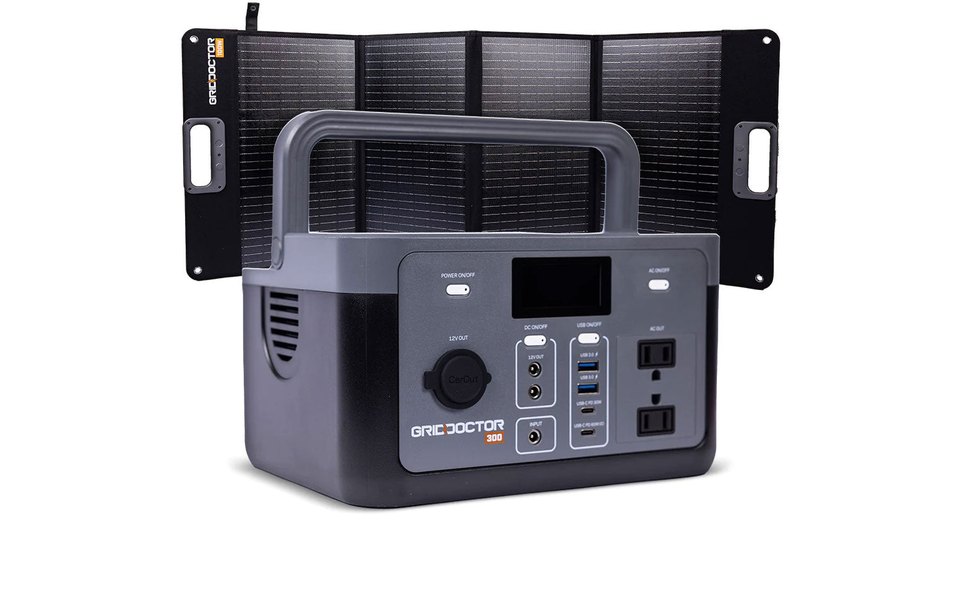 No Gas, No Fumes: Solar Generators That Keep the Lights On in an Outage
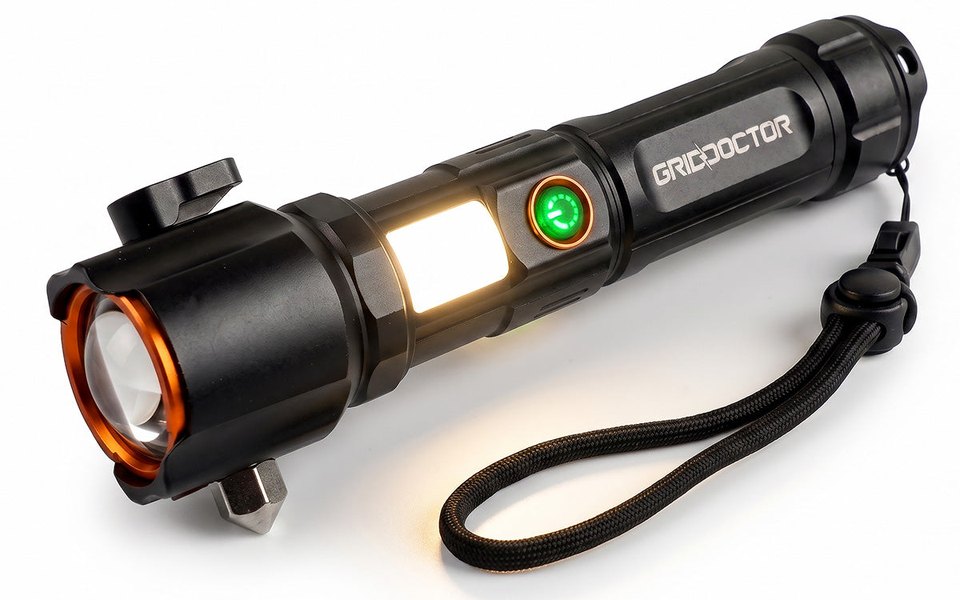 This Tactical Flashlight Also Breaks Car Glass and Cuts Seatbelts
 Emergency Food That Stores Up to 25 Years: Ready Hour Kits From 3 Days to 6 Months
 Ready Hour 4-Week Food Supply: 2,000+ Calories a Day, Stores Up to 25 Years
0 Comments
Be the first to comment.