
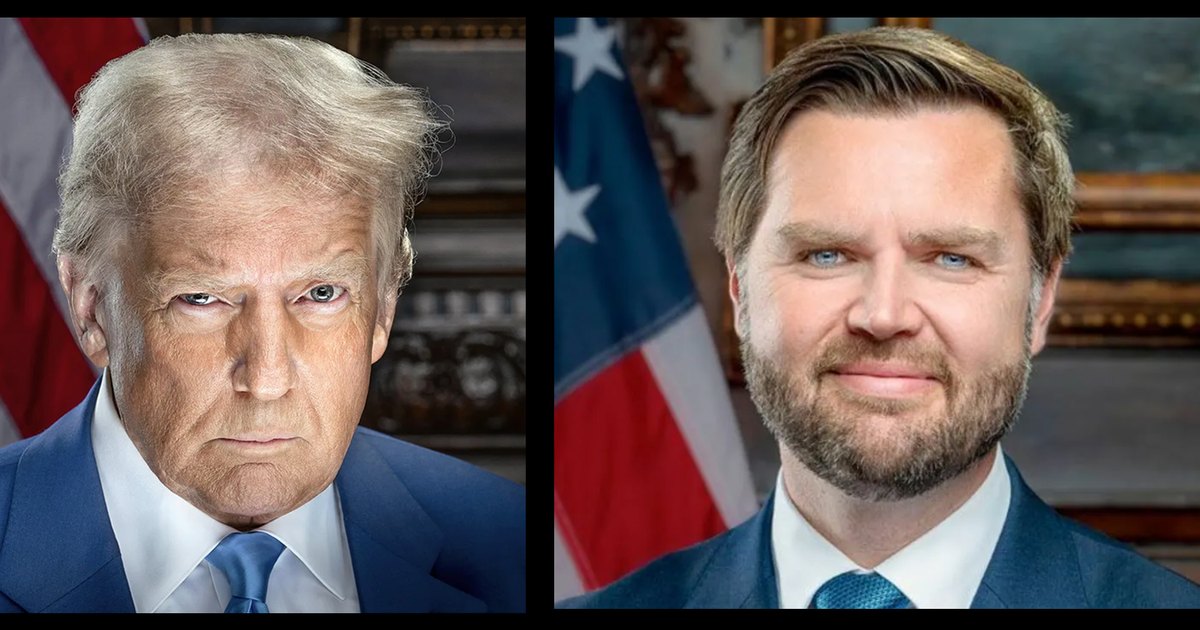
President Trump told the country Friday morning that the fuel crunch squeezing American truckers and farmers is about to ease, posting on Truth Social that "Europe has just agreed to release a massive amount of their heavily stocked Diesel Oil" and that "The process will begin immediately." The post went up at 10:01 a.m. Eastern on Oct. 2.
What the post did not include: volumes, countries, dates or any mechanism for getting the fuel to market. And on the other side of the Atlantic, the European Union was not saying the same thing. EU officials have described the discussions as ongoing rather than concluded, which leaves the president's claim resting, for now, on the president's own words.
The stakes are not abstract. Diesel is what moves freight, runs combines during harvest and powers the equipment behind most of what Americans buy. The national average hit $6.38 a gallon Thursday, according to AAA figures cited by NBC News, and the price is up roughly 70 percent since late February, when the war with Iran began scrambling global supply.
How Washington Turned the Screws
The public pressure campaign started earlier in the week. Trump floated banning U.S. diesel exports outright on Wednesday, a step that would keep American-refined fuel at home at the cost of infuriating allies and trading partners. On Thursday, speaking to reporters in Texas, he said he may ask Europe to tap its reserves. NBC rendered the remark as "we may."
Treasury Secretary Scott Bessent made the demand official the same day in a post on X. European partners, he wrote, "should accelerate delivery on their existing commitments and make additional supplies immediately available to address ongoing disruptions." He added a line aimed squarely at the people filling the tanks back home: "American farmers, truckers, and businesses should not be left carrying the burden of a global diesel shortage."
France 24 reported that a European Commission spokesman confirmed member states would meet with the Commission on Friday to work out a coordinated response to the price spike. The same report said the administration wants France and Germany in particular to open their stockpiles, though that detail was attributed secondhand to other reporting and has not been confirmed by either government.
Energy Secretary Chris Wright, per NBC, said Europe would in fact supply diesel from emergency reserves. The EU's answer was that talks continue.
What Is Actually Confirmed, and What Isn't
Here is the honest accounting. The Trump post is real and the text is exact. Bessent's demand is real. The Friday Commission meeting is real. Beyond that, the picture gets hazy.
No European statement has been produced confirming that any agreement was reached, no barrel counts have been published, and no timeline has been attached to the word "immediately." Headlines circulating Friday claimed Trump dropped the export-ban threat after Europe agreed to tap stockpiles, and separate listings reported a G7 release on the order of 100 million barrels of oil and diesel. Those remain headline-level claims that have not been verified against any official document or agency release. Readers should treat them as unconfirmed until the Commission, the International Energy Agency or the G7 puts something in writing.
Even the export ban's status is unresolved. The two accounts available describe the president as considering or threatening it, not withdrawing it.
The Political Clock
None of this is happening in a vacuum. The midterm elections are fewer than five weeks out, and Republicans understand perfectly well that a number painted on a pump sign does more to move voters than any speech. A 70 percent run-up in diesel since February flows straight into grocery prices, shipping costs and farm margins in the middle of harvest season.
There was at least one friendlier note in the week. U.S. Trade Representative Jamieson Greer, speaking at G20 trade talks in Milwaukee, described an "eagerness on both sides to work together," according to France 24. EU trade chief Maroš Šefčovič, by the same account, called the American move "unexpected," though the full context of his remark was not available.
The test now is simple and will not take long. If European reserves genuinely start flowing, the barrels will show up in trade data and the pump price will follow within weeks. If they do not, the president will have claimed a deal that Brussels never made. Watch for a formal Commission or IEA statement naming volumes and participating states, and watch whether the export-ban threat quietly disappears or comes back.




 People Born 1939-1969 Are Due A Large Surprise This Week
 Endocrinologists Stunned: Forget Metformin, This Fixes Your Diabetes & Blood Sugar
 21 Senior Discounts and Savings Programs Worth Checking in 2026
 Carrying $24,000 or More in Credit Card Debt? See If You Qualify for Relief
 Dermatologists: The 1 Vitamin You Need If You Have Wrinkles
 Social Security Changes Coming in 2026 That Impact Everyone
0 Comments
Be the first to comment.