
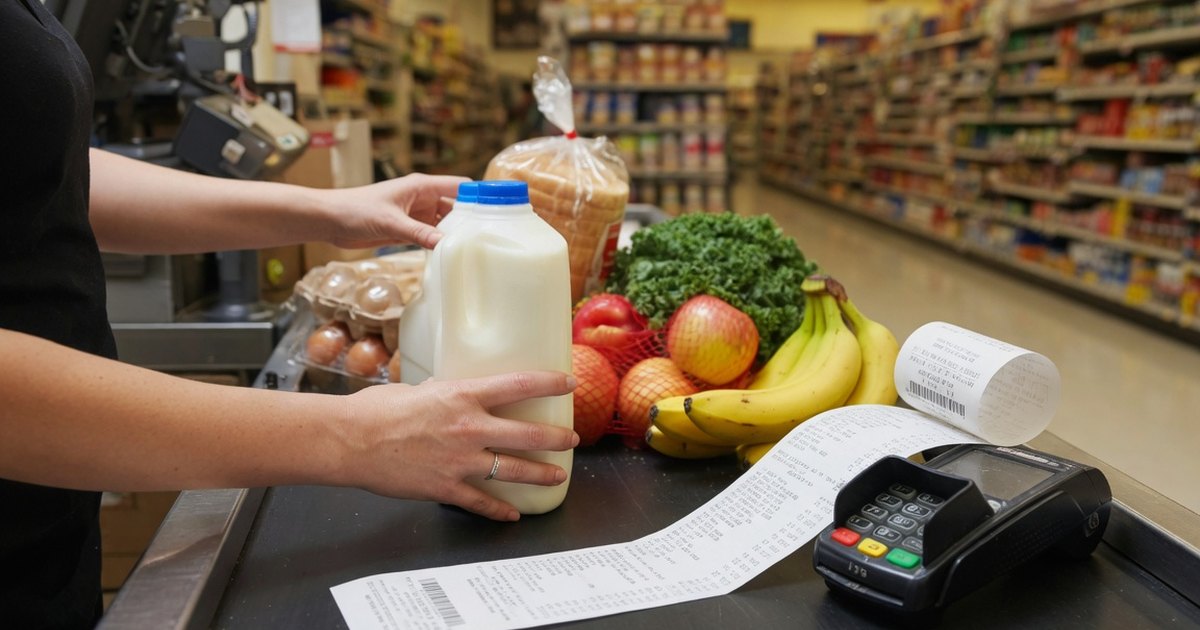
The inflation reading the Federal Reserve watches most closely came in cooler than expected on Wednesday, and Wall Street took it as good news. The Commerce Department's Bureau of Economic Analysis said core prices, which leave out food and energy, rose 0.2% in August and 3.0% over the past twelve months. CNBC reported that economists had been looking for something closer to 3.3%.
It is the number on the front page of the report that most households would recognize. The overall personal consumption expenditures price index, which includes the groceries and the gasoline, rose 0.3% for the month and 3.4% from a year ago. The Fed's goal is 2%. Neither figure is there yet.
Where the pressure still is
The gap between the two measures is energy. Core inflation strips it out; a family filling a tank cannot. CNBC's reading of the report put gasoline up 4.4% in August, and transportation services also climbed. That is the part of the budget Washington's rate decisions reach least, and it is why a cooler core number does not feel like relief at the pump.
The Bureau's report does not break out gasoline on its own page, so the 4.4% figure is CNBC's and should be read that way. The 3.4% and 3.0% figures are the Bureau's own.
Americans kept spending
The same report shows the consumer is not backing off. Personal consumption spending rose $190.8 billion in August, a 0.9% monthly gain, or 0.6% after adjusting for prices. Personal income rose only $66.6 billion, or 0.2%. Disposable income, what is left after taxes, rose 0.3%.
When spending outruns income by that margin, something gives, and what gave was saving. The personal saving rate in the report is 4.1%. That is a thin cushion for households that are also watching the cost of food, fuel and insurance, and it is worth watching if prices flare again.
What the Fed does next
Markets read the cooler core number as a reason for the central bank to hold off. According to CNBC, traders on the CME Group's FedWatch tool put the odds of a quarter-point rate increase next month at about 35%, down from roughly 51% a day earlier, and Goldman Sachs expects one more increase in December before the Fed stops. Those are forecasts, not decisions, and the Fed's own meeting calendar will settle them.
For savers, the arithmetic is the plain part. A 3.4% inflation rate means a dollar in a checking account buys about 3.4% less than it did a year ago, and any savings account paying less than that is losing ground. For borrowers, a Fed that holds is a Fed that does not make the next car loan or credit card balance more expensive. The data that decides the next move is September's report, and it arrives next month.




 21 Senior Discounts and Savings Programs Worth Checking in 2026
 Social Security Changes Coming in 2026 That Impact Everyone
 These 27+ Coolest Gifts For Christmas
 Retirees On SS Are Due A Large Surprise This Week
 Tired of Adding More Pills? Some Seniors Are Trying a Daily Berberine Patch
 Stuck With a Timeshare? See Whether You Qualify to Cancel
0 Comments
Be the first to comment.