

The Trump administration announced new tariffs Wednesday on 14 economies after a Section 301 probe into excess manufacturing capacity. By Thursday, many of those governments were saying Washington has it wrong.
China, Japan, Singapore, Malaysia, the European Union and others protested and rejected the overcapacity allegations, according to MPR News. Vietnam and Thailand responded more carefully, saying they are working with the United States. The duties are set to take effect early next year, and the 14 economies account for roughly half the global economy, according to analysts cited by MPR News.
The stakes are plain. This is the administration's effort to restore tariffs after the Supreme Court struck down most of last year's sweeping tariffs in February, according to wire reporting from the Associated Press as carried in syndicated copies. The primary document, most likely the formal Section 301 determination, had not been reviewed for this story, so final rates, the country list and the start date remain unconfirmed.
What Washington Says, and What It Charges
U.S. Trade Representative Jamieson Greer said the practices of the 14 economies are "unreasonable" and burden American commerce, according to AP copy. The new tariffs follow the Section 301 probe into excess capacity in manufacturing.
China faces a 20% tariff, which MPR News reported could rise to 40% if the United States finds Beijing is not engaging adequately. The exact trigger for that higher rate has not been confirmed. Japan faces tariffs of up to 15%, Singapore up to 20%, Vietnam up to 35%, and the EU a potential 15%. Those figures are maximums, and final rates are not confirmed.
The Pushback, Capital by Capital
Beijing called the overcapacity charge a "false premise," according to MPR News. At a regular press briefing, Foreign Ministry spokesperson Guo Jiakun said: "Tariff wars and trade wars serve no one's interests."
The Japanese government said it had protested to Washington. Chief Cabinet Secretary Minoru Kihara told a Thursday news conference that "Japan does not have any nonmarket policies or practices."
Singapore said it was "very disappointed" by the US proposal. The EU rejected the premise that Europe is a source of structural overcapacity. Malaysia said it has no excess capacity distorting global markets and will keep consulting with the United States. Vietnam said it is working with Washington on a trade deal, and Thailand said it will keep negotiating for lower tariffs and exemptions.
One Economist Urges Perspective
Stephen Brown, chief economist at Capital Economics, said the new tariffs replace forced-labor-related tariffs announced in July, according to the AP copy. He described them as "not as alarming as they look." That is one analyst's opinion, not an official accounting.
The China picture is also more tangled than the protest suggests. The AP copy said the two countries have agreed to tariff cuts on reciprocal lists of non-sensitive products worth about $60 billion. That figure and the February court ruling are wire context not checked against a primary source. MPR News reported that the two sides extended their trade truce by two months; it had been set to expire in January. The precise new expiration date has not been confirmed against U.S. or Chinese government statements.
What Comes Next
The tariffs are expected to take effect early next year. The details that matter most, including final rates, the country list and the conditions for China's possible 40% level, should be in the formal U.S. Trade Representative notice, which had not been reviewed for this story.


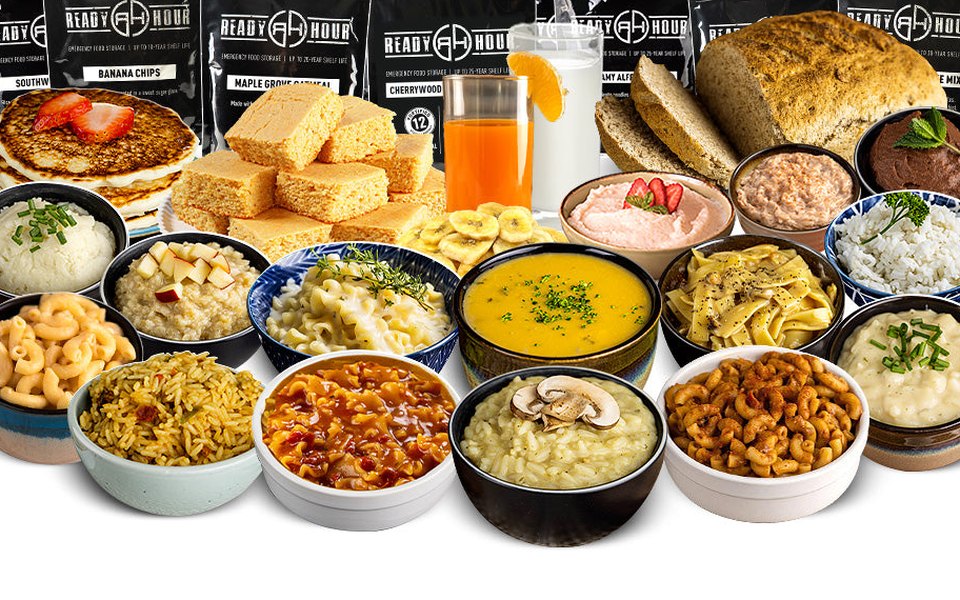 Emergency Food That Stores Up to 25 Years: Ready Hour Kits From 3 Days to 6 Months
 Winter Brings More Than Snow and Ice: Get Ready for Power Outages and Closed Roads
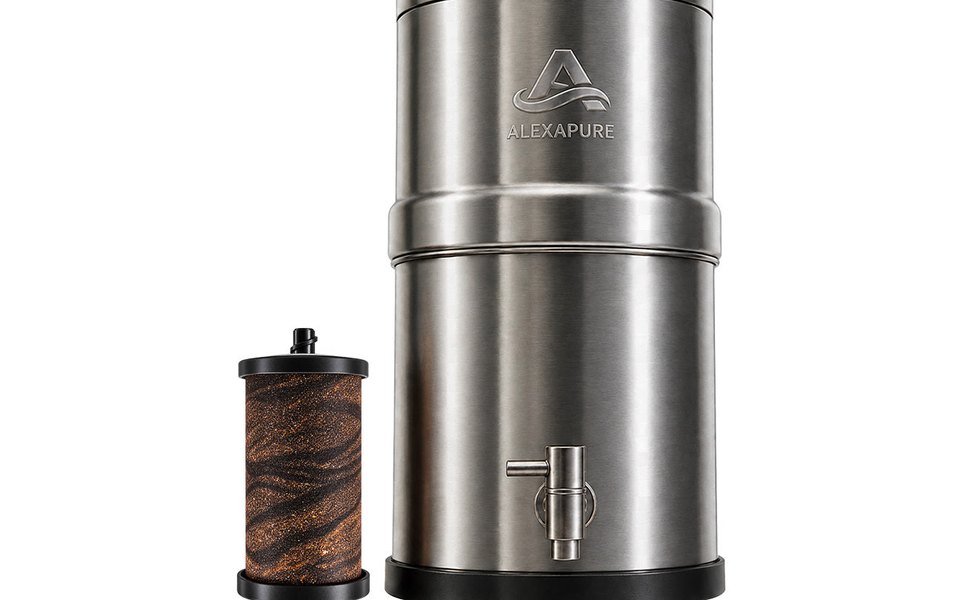 This Countertop Filter Reduces 206 Contaminants Found in Drinking Water
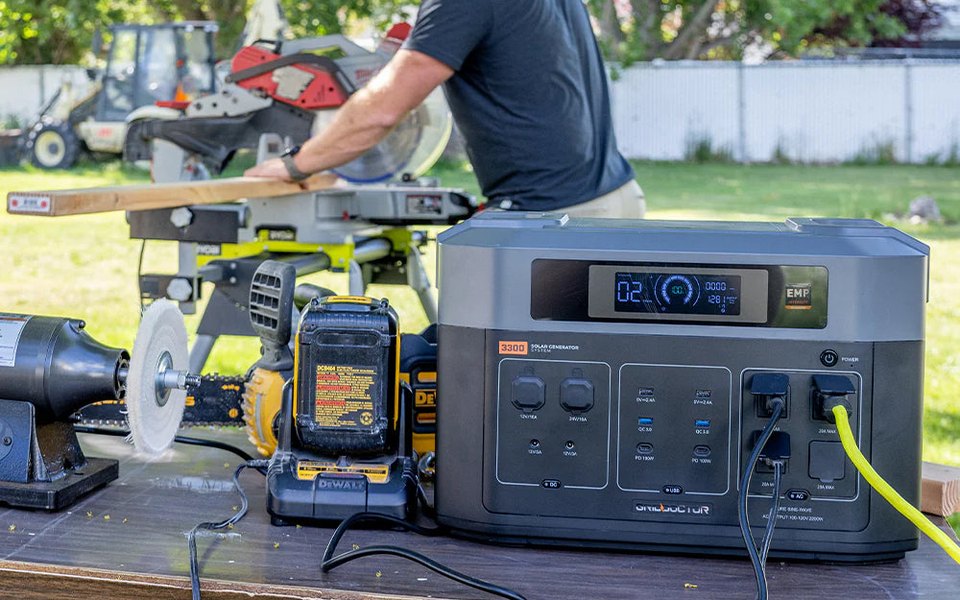 America's Power Grid Is on Borrowed Time. This Solar Generator Comes With EMP Protection
 3 Months of Food for One Person: 846 Servings, Up to a 25-Year Shelf Life
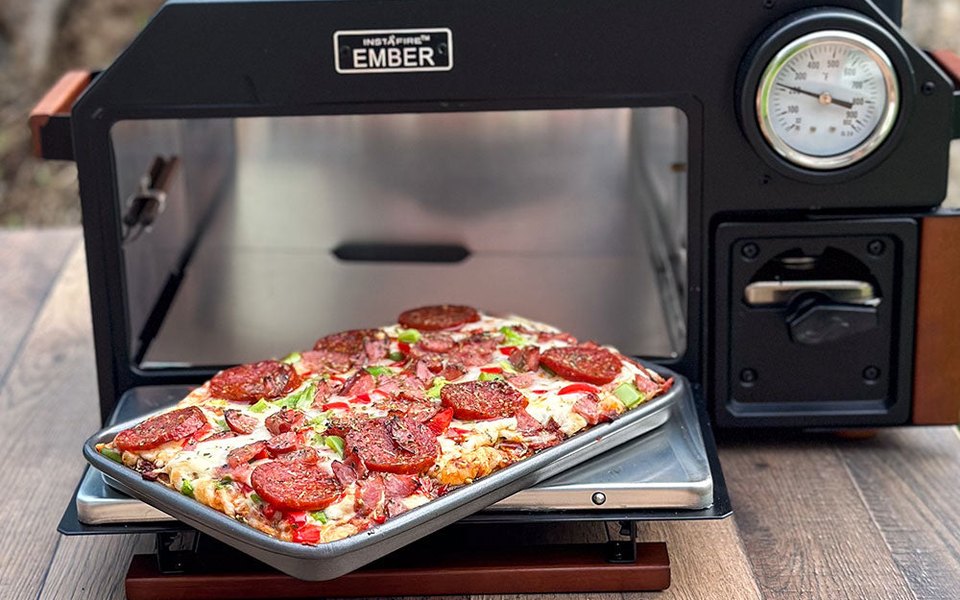 Bake Pizza Anywhere: The Ember Portable Oven by InstaFire
0 Comments
Be the first to comment.