
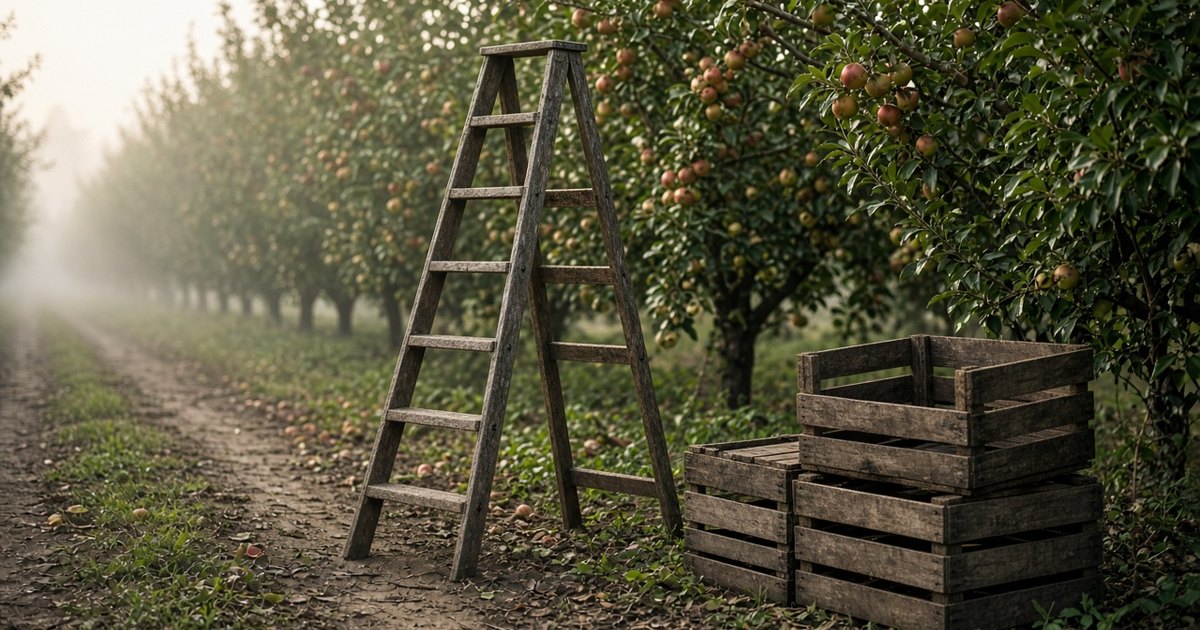
The Supreme Court will hear arguments Tuesday in a case involving a family-owned New Jersey farm and the U.S. Department of Labor. The case, Department of Labor v. Sun Valley Orchards, docket 25-966, concerns the department's in-house adjudication of money penalties against an employer in the H-2A seasonal farmworker visa program.
According to the question presented on the Supreme Court's docket, the issue is whether Article III of the Constitution precludes the Labor Department from adjudicating monetary remedies in its own proceedings under 8 U.S.C. 1188(g)(2). The case comes up from the Third Circuit, whose ruling is reported at 148 F.4th 121.
How a Farm Ended Up Before the Justices
Just the News, carrying a Center Square wire report, said the Labor Department investigated Sun Valley Orchards over housing and working conditions for its H-2A workers. Other Center Square coverage listed the issues as housing, meal plans, transportation and work hours.
Just the News reported that the farm was held liable for more than half a million dollars. The figure as printed in that report appears to contain a typo, so the exact amount has not been confirmed from the court record. The outlet also reported that the farm went out of business after the damages were imposed. That detail comes from Just the News alone and has not been independently confirmed.
The farm's lawyers made their argument in a brief, as quoted by the outlet:
"There is no precedent or history supporting agency adjudication of such employment-related issues."
One Word in a Statute
Alex MacDonald of the employment law firm Littler Mendelson told Just the News about the Court's focus: "We're looking at one word in a statute that just says 'impose.'"
The scope of the case is a point worth watching. Just the News framed it broadly, as a question of whether presidential administrations can issue financial damages against employers. The question presented, as it appears in the docket snippet, is narrower and concerns Article III and the Labor Department's in-house adjudication of monetary remedies. The government's own arguments have not been reviewed for this report.
What Commentators Say
MacDonald offered his view to the outlet on the broader reach of the case, and Thomas Berry of the Cato Institute suggested a ruling could eventually affect deportation proceedings. Both are opinions from outside observers, not holdings, and Berry's point in particular is speculative.
The U.S. Chamber of Commerce appears to have filed a friend-of-the-court brief, based on a search snippet of its case page that has not been verified against the docket. The government's brief appears to date from June 2026, judging only by a file name on the Court's site. More background is on SCOTUSblog's case page.
What Comes Next
Arguments are set for Tuesday, Nov. 10. Just the News reported that a decision is expected by June 2027, while other coverage said only that a ruling would likely come in 2027.




 A 6-Month Emergency Food Supply: 2,000+ Calories a Day for One Person
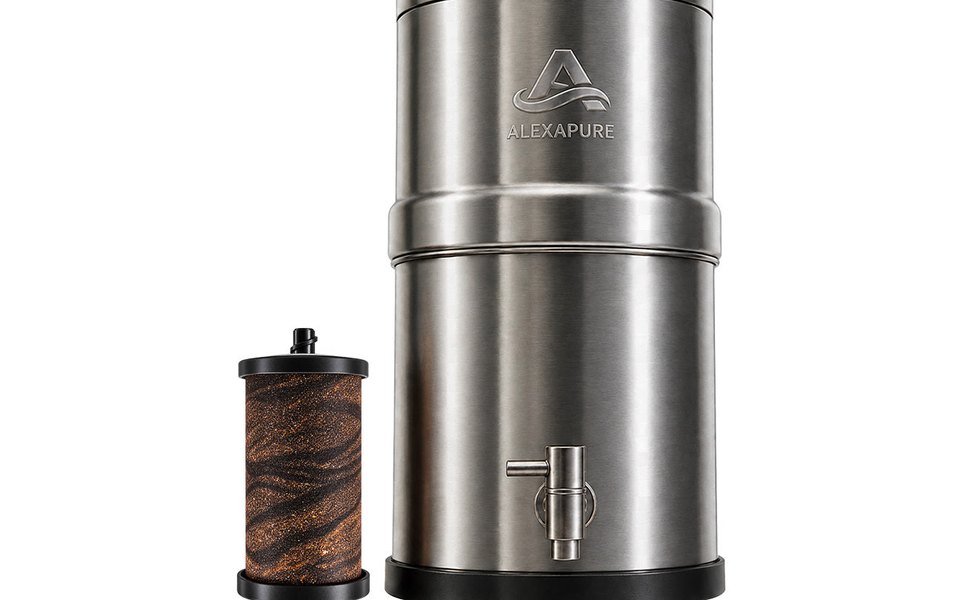 This Countertop Filter Reduces 206 Contaminants Found in Drinking Water
 Try Ready Hour Emergency Food for $34.99 With This 72-Hour Sample Pack
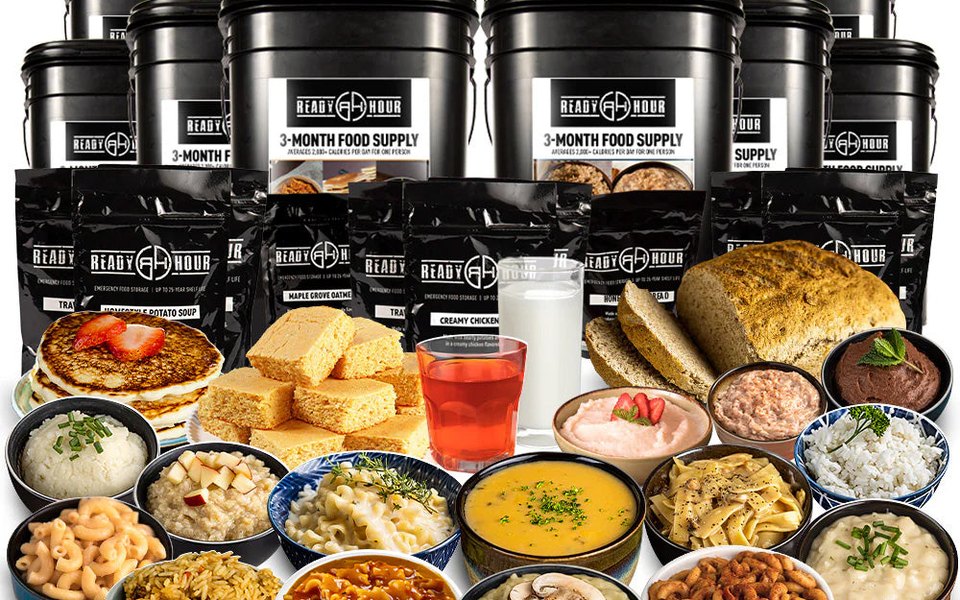
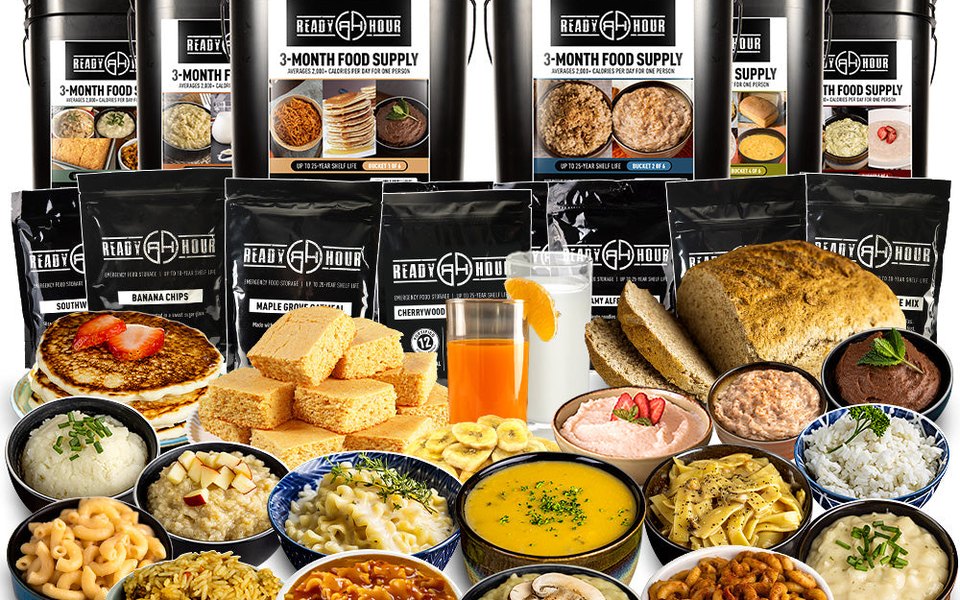 3 Months of Food for One Person: 846 Servings, Up to a 25-Year Shelf Life
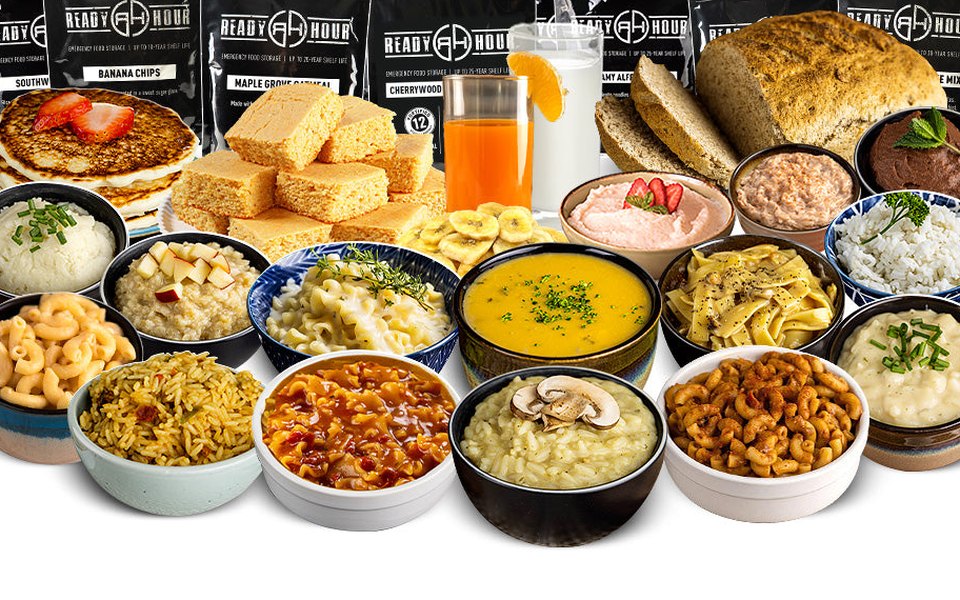 Emergency Food That Stores Up to 25 Years: Ready Hour Kits From 3 Days to 6 Months
 Bake Pizza Anywhere: The Ember Portable Oven by InstaFire
0 Comments
Be the first to comment.