

Meta, Google and TikTok filed separate federal lawsuits against California on a Wednesday, according to the reports available so far. They are challenging a new state law that limits so-called addictive feeds and features for minors. All three companies argue that the law violates the First Amendment.
A note on sourcing: the research behind this story is unfinished. It rests on search-result snippets from Courthouse News and a wire-style piece on Yahoo News. The full articles, the complaints and the text of the law were not reviewed. The exact filing date is unconfirmed, though it appears to be Nov. 4 or 5, 2026.
Several basic details about the law also remain unconfirmed, including its formal name, its bill number and the date it takes effect. Courthouse News describes it as a bill passed earlier this year that bars platforms from using addictive features on minors. The reports indicate it restricts targeting of children under 16.
Two Courtrooms, One Argument
The companies did not file together. According to a wire-style report published on Yahoo News, Meta and Google, which owns YouTube, filed in the Northern District of California. TikTok filed in the Central District, a detail Courthouse News also reported. Only the Yahoo report places the Meta and Google cases in the Northern District.
Based on the Courthouse News snippet, Meta argues that personalized feeds are protected third-party speech. It also argues that a ban on autoplay infringes its right to the "free and unhampered distribution" of speech.
TikTok says the law would keep it from speaking to users under 16 through the product it offers now. According to Courthouse News, TikTok says it could serve California teenagers between 13 and 16 only with a "fundamentally different offering."
Courthouse News also quoted a statement about the stakes for families. The snippet does not show which company or person made it, so the speaker is unconfirmed.
"Under the law, we would be forced to either remove features that keep teens' experiences age-appropriate, or cut thousands of California teens off from family, friends and their communities."
The Case for the Law
The Yahoo report quoted someone identified only as Lowenthal, who described autoplay and other features as harmful and inappropriate for developing brains. The snippet does not give a full name or title, and the speaker's identity has not been confirmed, so the exact wording is not reproduced here.
Round Two of an Old Fight
An earlier law, SB 976, is known as the Protecting Our Kids from Social Media Addiction Act. According to Courthouse News and Yahoo, it requires verified parental consent before minors see addictive feeds, and it requires settings that let parents limit them. The Yahoo report noted that Meta and others sued over that law last year.
It is not yet clear whether the new law replaces SB 976, expands it or stands apart from it. The notes also show that SB 976 was challenged in court between 2024 and 2025. A Courthouse News snippet mentions something that happened "In August," but the text is cut off, and it is unclear what it refers to.
What Comes Next
The next steps are not yet public. Motions for a preliminary injunction are a likely development, as are an announced effective date and a response from state officials. Whether the law takes effect Jan. 1 has not been confirmed. The complaints themselves have not yet been reviewed for this story.






 Stuck on the Road This Winter? This Car Kit Packs Food, Water and 47 Emergency Items
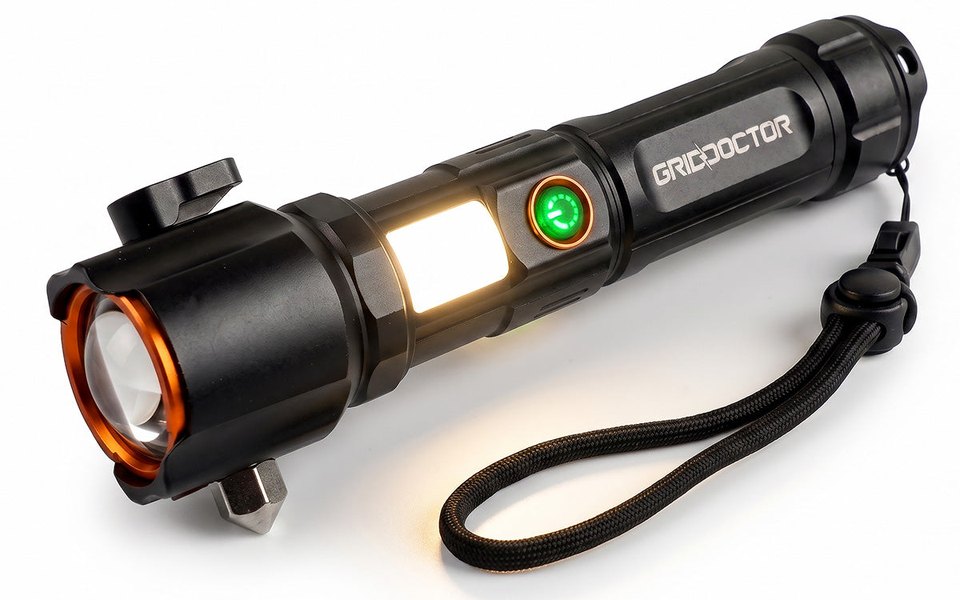 This Tactical Flashlight Also Breaks Car Glass and Cuts Seatbelts
 The Fire Starter That Lights on Snow, Damp Ground, Even Standing Water
 A 6-Month Emergency Food Supply: 2,000+ Calories a Day for One Person
 Bake Pizza Anywhere: The Ember Portable Oven by InstaFire
 Try Ready Hour Emergency Food for $34.99 With This 72-Hour Sample Pack
0 Comments
Be the first to comment.