
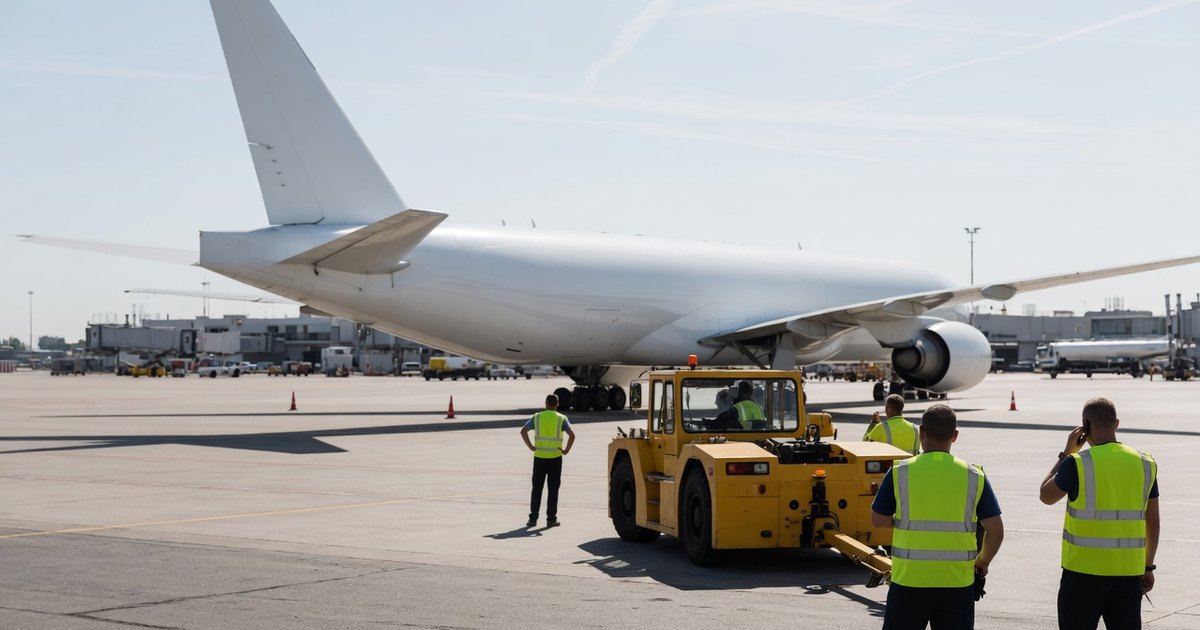
Two wide-body jets touched on the ground at Los Angeles International Airport on Tuesday morning, and the result was a gashed tail, two airplanes out of service, several hundred disrupted travelers and another file on the Federal Aviation Administration's desk.
According to the FAA, Delta Air Lines Flight 7 was taxiing out for departure at about 10:30 a.m. local time when its left wingtip struck the horizontal stabilizer of Air Canada Flight 785, a Boeing 777 that had arrived from Toronto and was being towed toward its gate. No injuries were reported by either airline or the agency.
It was not a runway incursion and not a crash. But it is the kind of low-speed, high-consequence ground event that aviation safety people watch closely, because taxiways and ramps are where metal and people are packed tightest and where the margin for error is measured in feet.
What the FAA and the airlines actually said
The FAA's statement was short and specific. "Delta Air Lines Flight 7 was taxiing for departure when its left wingtip clipped the horizontal stabilizer of Air Canada Flight 785," the agency said, adding that "The Air Canada flight was being towed when it stopped short of its gate." The FAA said it is investigating and has not released a cause.
Delta confirmed the contact in a statement to Fox News Digital, which reported that Flight 7 was headed for Tokyo with 275 passengers and 15 crew aboard. "While taxiing at Los Angeles International Airport, a Delta aircraft made contact with an Air Canada aircraft," the airline said. The aircraft was an Airbus A350, per the FAA.
Air Canada, also speaking to Fox News Digital, said "An aircraft operated by another airline made contact with its tail," reported no injuries, and said the 777 "will be taken out of service for inspection and repairs." Both jets were pulled from the day's flying, with passengers facing delays and rebooking.
Photographs and video published first by TMZ, along with video credited to KTLA 5, showed a substantial gash in the right horizontal stabilizer of the Air Canada jet. The Gateway Pundit, which aggregated Canadian television coverage and carried the KTLA video, described the event as a minor ground collision; that characterization is the outlet's, not the FAA's. The agency has not graded the severity.
What nobody knows yet
The cause is unknown. The FAA has issued no finding on fault and has said nothing publicly about the tow crew, the ground marshalling, or whether air traffic control had any role in the movement of either aircraft. It has not been stated whether the area where the contact occurred was under ATC control or under airline ramp control, a distinction that matters at a field as busy as LAX.
Other basics remain unreported. There is no damage estimate, no aircraft registration numbers, and no word of National Transportation Safety Board involvement. How many passengers were aboard the Air Canada 777 has not been disclosed. The passenger and crew counts for the Delta flight come from the airline by way of Fox News, and have not been independently confirmed.
One detail circulating widely should be flagged as thin: a Delta passenger's description of "a big jolt" and an abrupt stop comes from TMZ, attributed to an unnamed traveler. Whether Delta Flight 7 eventually got to Tokyo, and how Air Canada's arriving passengers were brought off their airplane, has not been reported either.
Why a scrape costs more than it looks
A wingtip against a stabilizer sounds like a fender-bender, and in terms of human harm on Tuesday it was. Financially and operationally it is not. A wide-body pulled for structural inspection does not come back in an hour; composite and control-surface damage means detailed examination, documentation and sign-off before the airplane carries anyone again. Two long-haul jets sidelined on the same morning means canceled rotations, crews out of position and passengers absorbed into other flights on routes that run close to full.
Delta told Fox News Digital that nothing is more important than the safety of its customers and people, and apologized to customers for the experience and the delay to their travel. That is the standard language from an airline on a day like this one.
What happens next is procedural. The FAA investigation will look at who was moving what, and under whose direction, when the two airplanes came together. Inspection reports will determine how long each jet stays on the ground. Whether the NTSB classifies the event as a reportable incident, and whether the ground-handling operator conducting the tow comes under scrutiny, remains to be seen. Los Angeles World Airports, which runs LAX, has not publicly commented.

 Best Christmas Gift: Here Are 28+ Of The Coolest Gifts For 2026
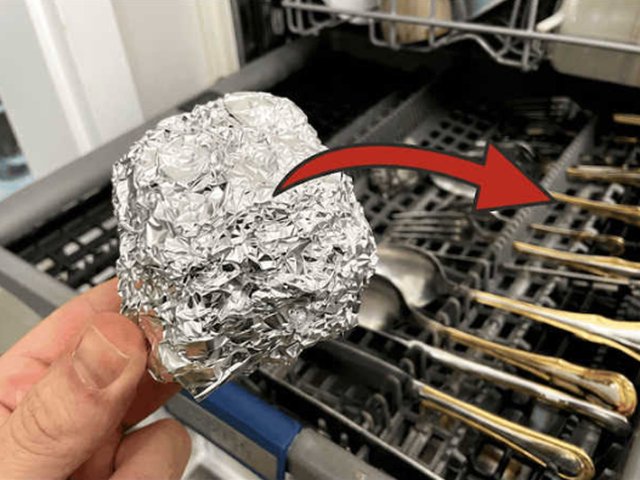 Put Tin Foil in the Dishwasher? Here's Why Seniors Do It
 21 Senior Discounts and Savings Programs Worth Checking in 2026
 If You're Collecting Under $3,950 in SS a Month, You're Eligible for These 10 Benefits
 Stuck With a Timeshare? See Whether You Qualify to Cancel
 Retirees On SS Are Due A Large Surprise This Week
0 Comments
Be the first to comment.