
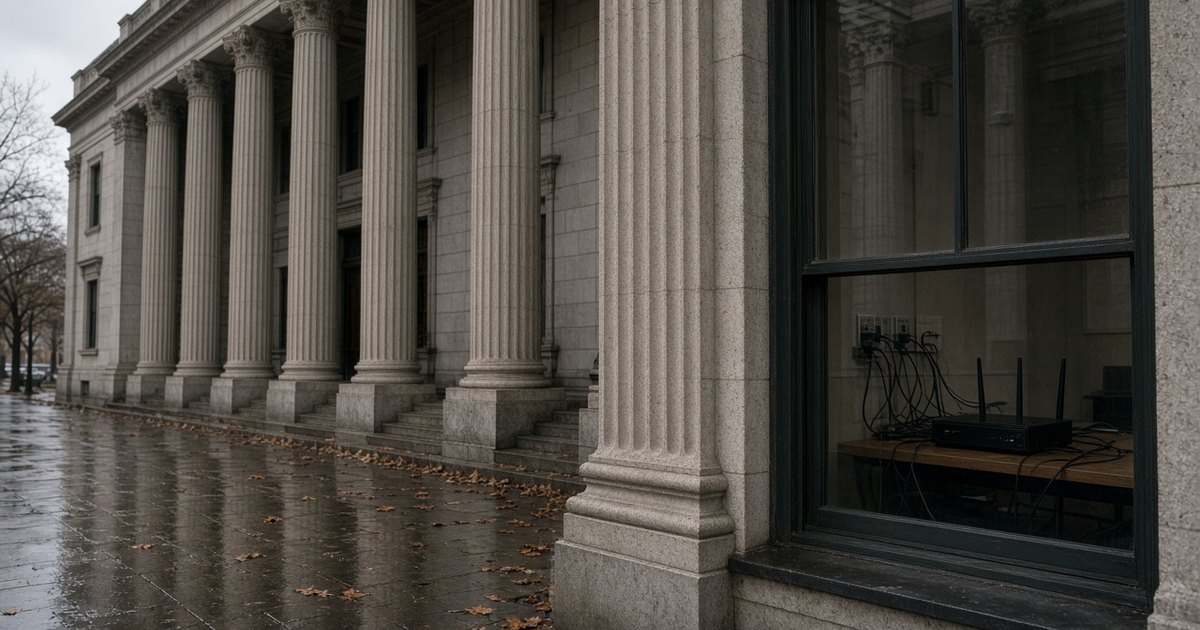
A federal jury in Brooklyn on Tuesday convicted Huawei Technologies and three of its subsidiaries on 10 of 12 counts, including conspiracy to steal trade secrets, bank fraud and violating U.S. sanctions on Iran. The jury acquitted the companies of two charges, racketeering conspiracy and conspiracy to obstruct justice.
The case drew attention because of the companies involved and the charges, which range from trade secrets to bank fraud to sanctions violations. Sources differ on when the case began. Reuters and the Daily Caller place the start in 2018, around the arrest of Huawei executive Meng Wanzhou in Canada, while the South China Morning Post says the Justice Department filed in January 2019.
"No person or company is above the law," Attorney General Todd Blanche said in a Justice Department press release announcing the verdict.
What the Jury Found
According to the Justice Department, the convictions cover conspiracy to steal trade secrets, conspiracy to commit wire and bank fraud, wire fraud, bank fraud, conspiracy to defraud the United States, conspiracy to violate the International Emergency Economic Powers Act, substantive violations of that law, and money laundering conspiracy. The defendants are Huawei Technologies Co., Ltd., Huawei Device Co. Ltd., Futurewei Technologies Inc. and Huawei Device USA Inc.
A point of precision worth noting: several early headlines, including those from the Daily Caller and Just the News, described Huawei as guilty of stealing trade secrets. The Justice Department describes the count as conspiracy to steal trade secrets. Both outlet stories were published before the department's release came out.
Prosecutors from the Eastern District of New York, working with the Justice Department's Criminal Division and National Security Division, tried the case. The Justice Department described the trial as lasting three months, while the Daily Caller and Euronews put it at 11 weeks and some other outlets say two months. The FBI's New York Field Office led the investigation.
Robots, Routers and Iran
The Justice Department named the technology at issue. The list includes T-Mobile's phone-testing robot known as "Tappy," source code for Cisco routers, Fujitsu equipment, work tied to a collaboration with CNEX, and an antenna slide belonging to Quintel. The department described Huawei's business as decades-long.
The fraud and sanctions counts center on Iran. Prosecutors said Huawei lied to HSBC, Standard Chartered and BNP Paribas about its business there, which ran through a company called Skycom. Reuters reported that prosecutor Meredith Arfa told jurors, "After the media started questioning Huawei's operations in Iran, so did Huawei's banks."
The Daily Caller reported that prosecutors called more than 60 witnesses and the defense called 15. It also reported that Meng spent three years confined to her Vancouver home before returning to China under an agreement. Those details come only from the Daily Caller and did not appear in the Justice Department's release.
Huawei Pushes Back
Huawei denies wrongdoing. The Daily Caller reported that the company denies ties to the Chinese Communist Party, a claim that has not been independently verified. The Epoch Times reported that Huawei says the five trade-secret disputes were civil matters resolved years ago and that no court found it liable for willful misappropriation; the Justice Department contests that account. Reuters reported that Huawei's lawyer said the company was disappointed by the convictions.
The company pointed to the acquittals. According to Euronews, Huawei said the result on those counts "confirms that these allegations lack factual basis and vindicates our consistent position over the past eight years." The jury convicted on the other ten counts.
The Daily Caller reported that Huawei's products have been effectively banned in the United States since 2019. Just the News and Reuters reported that the U.S. placed the company on a trade blacklist that year.
What the Penalty Could Look Like
The Daily Caller wrote that a heavy financial penalty has been set. That is not what the Justice Department says. The department says the companies face criminal fines, forfeiture and restitution, and that the judge will decide the penalty at sentencing after weighing the federal Sentencing Guidelines. Coinotag and the Korea Times have floated penalties in the billions of dollars; the Justice Department has not confirmed any number.
Sentencing is scheduled for Sept. 14, 2027. No source reviewed has confirmed whether Huawei will file post-trial motions or an appeal.


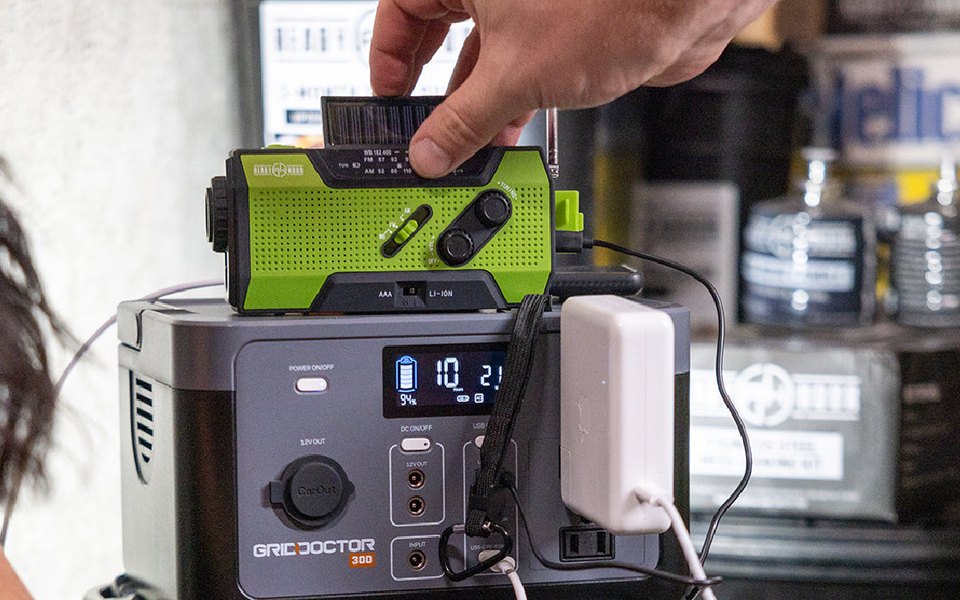 A Portable Solar Generator That Runs a CPAP for 8+ Hours When the Power Goes Out
 Winter Brings More Than Snow and Ice: Get Ready for Power Outages and Closed Roads
 Try Ready Hour Emergency Food for $34.99 With This 72-Hour Sample Pack
 Ready Hour 4-Week Food Supply: 2,000+ Calories a Day, Stores Up to 25 Years
 Emergency Food That Stores Up to 25 Years: Ready Hour Kits From 3 Days to 6 Months
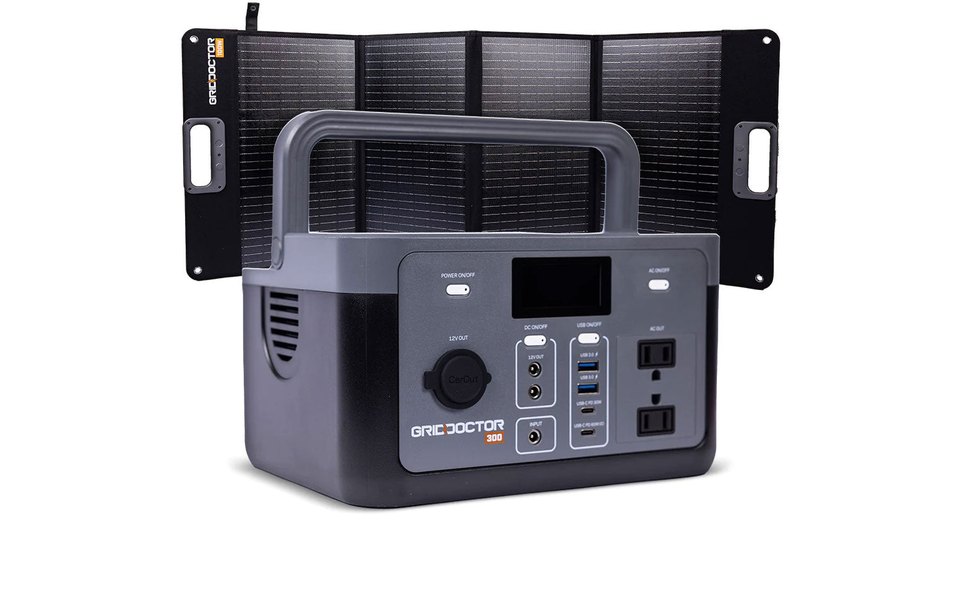 No Gas, No Fumes: Solar Generators That Keep the Lights On in an Outage
0 Comments
Be the first to comment.