

For the first time since February, Russian and Ukrainian negotiators sat down with American mediators on Tuesday, opening a two-day round of talks in Abu Dhabi. The first day ran close to four hours, and a second session was set for Wednesday, according to the Associated Press, as carried by ABC News.
The early reviews from Washington were warm. Speaking to reporters at the G7 foreign ministers' meeting in Paris, Secretary of State Marco Rubio said he had just received an update. "It looks like the talks in Abu Dhabi were very productive," he said, in remarks TASS also carried. We could only confirm the wording from excerpts of his press remarks, not the full State Department transcript. He added that he was not in Abu Dhabi and could not judge the attitudes of the parties.
The meeting matters because it is the first US-mediated session of its kind in about nine months. Whether it amounts to more than a restart is the open question.
Who Showed Up in Abu Dhabi
Jared Kushner and Steve Witkoff lead the American side. Kushner said his aim was "a new framework" for peace and that there were "some good ideas how to bridge" the differences, AP reported. NATO commander Gen. Alexus Grynkewich also attended and cited military-to-military progress.
Russia's delegation was headed by Vladimir Medinsky, with Sergei Ryabkov, Mikhail Galuzin, Igor Kostyukov and Yuri Zhigarlovsky also named. Medinsky said the talks "will allow us to advance on the path towards peace in the interests of the people of Russia and the people of Ukraine."
Ukraine's team was led by Rustem Umerov and reportedly included Kyrylo Budanov, Sergiy Kyslytsya and Davyd Arakhamia. "Our people are waiting to end this war," Umerov said. He also said the day opened with a meeting that included representatives of Britain, France, Germany, Italy, NATO and the European Commission.
Even the length of the first session is in dispute. AP, citing Russia's RIA Novosti, put it at nearly four hours. Russian media put it at four and a half; CNN said more than four. No official Ukrainian or American figure has turned up.
The Gap Between the Sides
The White House said the talks would focus on future security guarantees, and Russian Foreign Minister Sergei Lavrov welcomed the focus on collective security. The stated positions remain far apart. Moscow wants Ukraine to withdraw from four annexed regions, drop its NATO aspirations and accept military limits. Kyiv says an immediate ceasefire must come first and rejects ceding territory.
The war did not pause for the diplomacy. Russia's Defense Ministry said it shot down 155 Ukrainian drones overnight, while Ukraine's air force said Russia launched 162 drones and a ballistic missile. Each is a claim by that side's military and has not been independently verified.
Volodymyr Zelensky, who was in Denmark on Tuesday, was reported to have called the talks "constructive and quite substantive." The wording comes from press reports, and we have not confirmed it from a primary post by him. Separately, France 24 reported that Zelensky said humanitarian issues, such as prisoner exchanges and bringing back children, had been discussed.
German Chancellor Friedrich Merz told ZDF, "I don't have overly high expectations," according to AP.
Europe Wants a Seat
The question of who else belongs at the table is shaping up as its own negotiation. Rubio said in Paris that the trilateral format should eventually include European partners, because they are part of solving the problem for the long term. Kushner, in a post on X cited by AP, said a lasting settlement requires direct engagement between Russia and Europe. We did not read the post itself.
Moscow objects to European seats in the three-way format, AP reported, though it says EU representatives could join later.
What Comes Next
The second day of talks is set for Wednesday, according to Ukraine's Foreign Intelligence Service. No breakthrough or deal has been announced, and Rubio said, according to TASS, that the conflict is "not like something that's on the verge of being solved in the next 24 hours." Kushner has said European engagement should begin "in the near future, as part of a broader multilateral process."




 No Gas, No Fumes: Solar Generators That Keep the Lights On in an Outage
 Ready Hour 4-Week Food Supply: 2,000+ Calories a Day, Stores Up to 25 Years
 3 Months of Food for One Person: 846 Servings, Up to a 25-Year Shelf Life
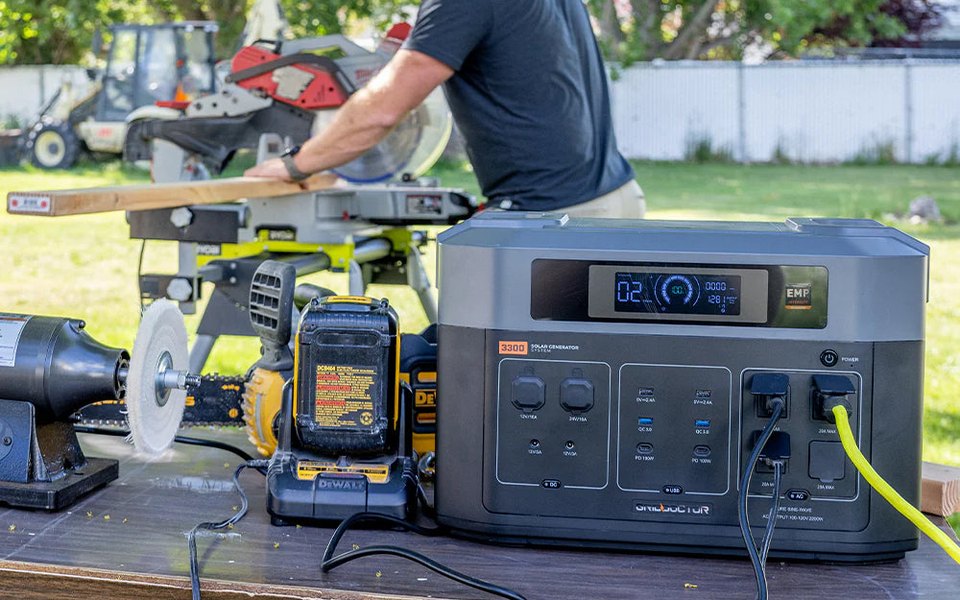 America's Power Grid Is on Borrowed Time. This Solar Generator Comes With EMP Protection
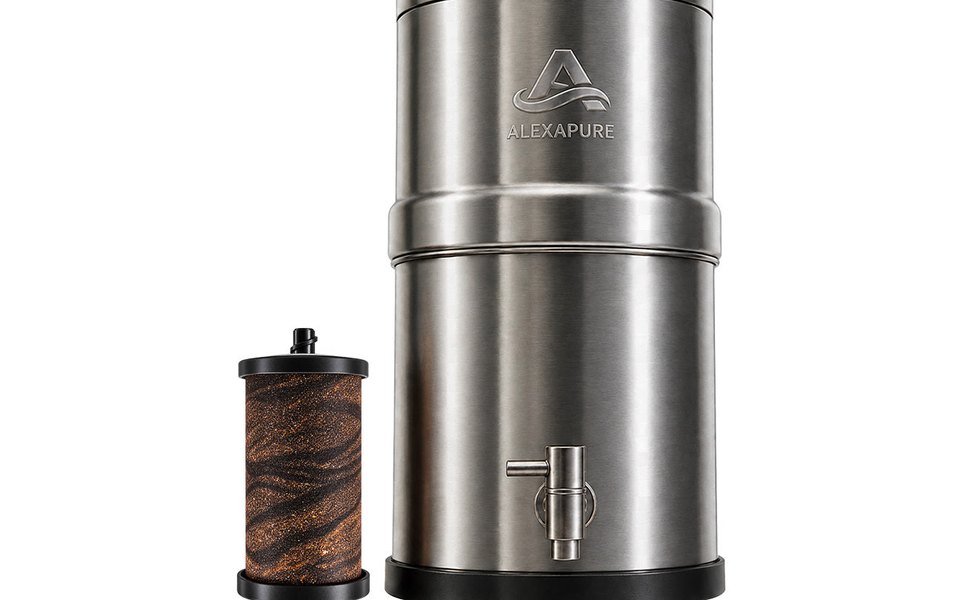 This Countertop Filter Reduces 206 Contaminants Found in Drinking Water
 Emergency Food That Stores Up to 25 Years: Ready Hour Kits From 3 Days to 6 Months
0 Comments
Be the first to comment.